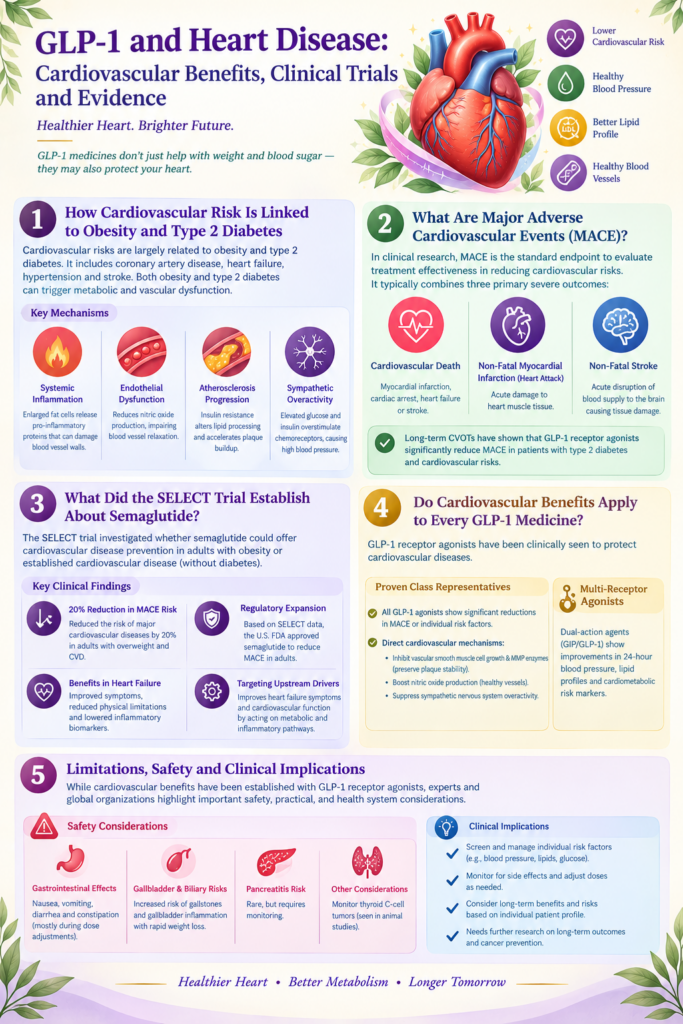
GLP-1 and Heart Disease: Cardiovascular Benefits, Clinical Trials and Evidence
- How Cardiovascular Risk Is Linked to Obesity and Type 2 Diabetes
Cardiovascular risks are largely related to obesity and type 2 diabetes. It includes coronary artery disease, heart failure, hypertension, and stroke. Both obesity and type 2 diabetes can trigger metabolic and vascular dysfunction.
- Systemic Inflammation: inflammation in fat cells causes various health issues. fat tissue. that are enlarged than usual and those which are oxygen deprived can release pro-inflammatory signaling proteins. These pro inflammatory signaling protein can cause damage to blood vessel walls.
- Endothelial Dysfunction: due to metabolic stress the inner lining of blood vessels (the endothelium) is impaired. It reduces the production of nitric oxide which is needs for blood vessel relaxation.
- Atherosclerosis Progression: Insulin resistance causes many health issues such as altering the lipid processing. It can accelerate the build up of fatty, fibrous plaque lesions within walls of arteries.
- Sympathetic Overactivity: blood pressure can be caused by sympathetic nervous system over activity. It can happen due to elevated glucose and insulin levels that can overstimulate chemoreceptors in the carotid body and drive over sympathetic activity causing elevated blood pressure.
- What Are Major Adverse Cardiovascular Events (MACE)?
In clinical research MACE serves as the standard endpoint to evaluate treatment effectiveness in reducing cardiovascular risks. MACE typically combines three primary severe outcomes:
- Cardiovascular Death: Fatal events caused by myocardial infarction, cardiac arrest, heart failure, or stroke.
- Non-Fatal Myocardial Infarction (Heart Attack): Acute damage to heart muscle tissue.
- Non-Fatal Stroke: Acute disruption of blood supply to the brain causing tissue damage
Long-term Cardiovascular outcome trials CVOTs have revealed that GLP-1 receptor agonists are a major factor for reducing MACE incidence in patients living with type 2 diabetes and cardiovascular risks.
- What Did the SELECT Trial Establish About Semaglutide?
SELECT Trials marked a major milestone in cardiometabolic medicine. They investigated whether semaglutide ( a type of GLP-1 medicines) could offer cardiovascular disease prevention in adults with obesity or treat patients with established cardiovascular disease condition who did not have diabetes.
Some of the clinical findings established by SELECT and related heart failure trials are as follows:
- 20 % Reduction in MACE Risk: It was observed during trials that semaglutide reduced the risk of major cardiovascular diseases by 20 % in adults with overweight and established cardiovascular disease.
- Regulatory Expansion: Based on SELECT data, regulatory bodies including the U.S. FDA approved semaglutide to reduce MACE in adults.
- Benefits in Heart Failure. In trials, semaglutide significantly reduced physical limitations, improved symptoms and lowered inflammatory biomarkers in patients.
- Targeting Upstream Drivers: Researchers concluded that GLP-1 RAs (semaglutide) improve heart failure symptoms and cardiovascular function primarily by intervening in multi-system metabolic and inflammatory pathways.
- Do Cardiovascular Benefits Apply to Every GLP-1 Medicine?
GLP-1 receptor agonists have been clinically seen to protect cardiovascular diseases.
- Proven Class Representatives: GLP-1 receptors agonists have all demonstrated significant reductions in MACE or individual cardiovascular risk factors
- Direct Cardiovascular Mechanisms: GLP-1 signaling inhibits vascular smooth muscle cell growth and reduces MMP enzymes helping to preserve the fibrous arterial plaques and reduce rupture risks.
- GLP-1 agonists activate signaling in blood vessel walls, boosting nitric oxide production to maintain healthy tissues.
- GLP-1 medicines suppress overactivity of sympathetic nervous system.
- Multi-Receptor Agonists: Dual-action agents (GIP/GLP-1 receptor agonist) have also demonstrated substantial improvements in 24-hour blood pressure, lipid profiles, and cardiometabolic risk markers in clinical studies
- Limitations, Safety and Clinical Implications
Though clinical welfare in cardiovascular diseases has been established through GLP-1 Receptor Agonists. Clinical experts and global organizations highlight important safety, practical, and health system considerations:
- Managing Side Effects: The most common side effects are gastrointestinal such as nausea, vomiting, diarrhea, and constipation, It is observed highly during dose adjustments
- Gallbladder & Biliary Risks: Treatment with GLP-1s and rapid weight loss carry an increased risk of gallstones (cholelithiasis) and gallbladder inflammation (cholecystitis). This needs to be checked clinically.
- Protecting Lean Mass in Vulnerable Patients: Older patients may need clinical oversight to prevent reduction in lean body mass
- Weight Regain Upon Discontinuation: Clinically it has been observed that those who have stopped medicines after a period of time they tend to weight gain hunger increased appetite. This treatments needs to be adhered strictly to see positive results
- Multidisciplinary “Wraparound Care”: The WHO and National Academy of Medicine emphasize that medication access must be paired with wraparound care including nutritional counseling, physical activity support, and lifestyle coaching