Author: Emily Key
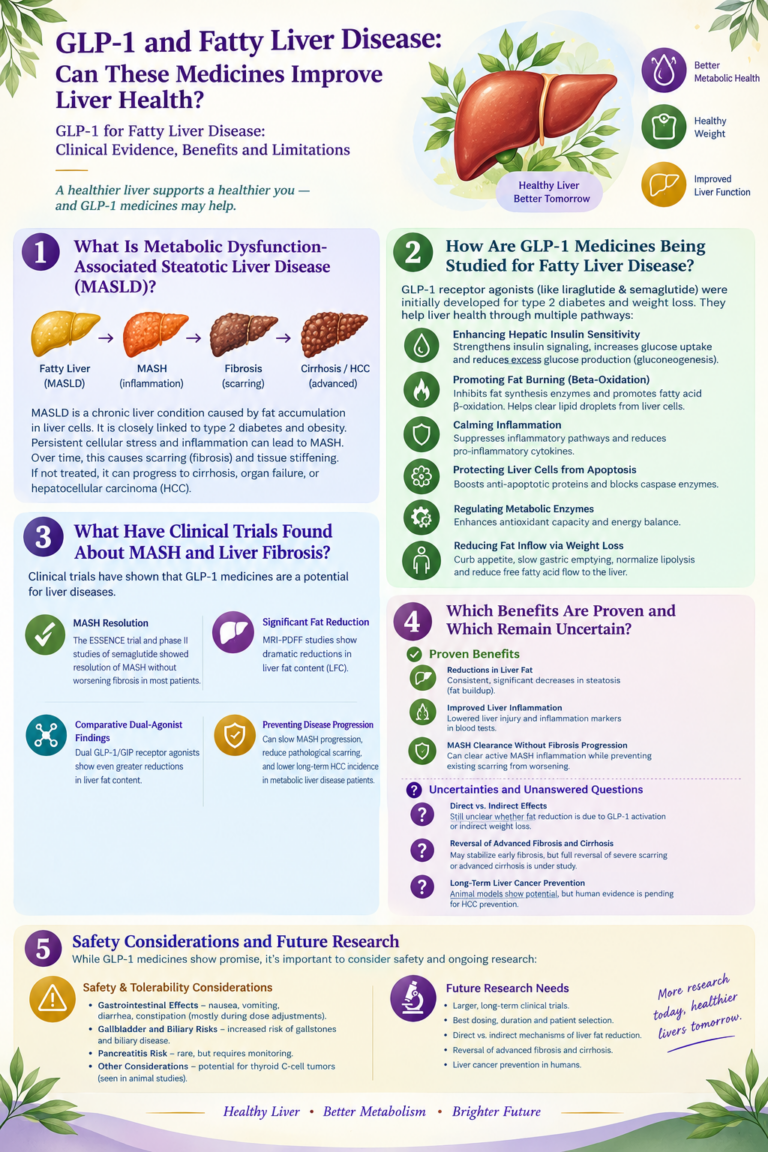
GLP-1 and Fatty Liver Disease: Can These Medicines Improve Liver Health?
GLP-1 for Fatty Liver Disease: Clinical Evidence, Benefits and Limitations MASLD is a chronic liver condition caused by accumulation of fat in the liver cells. It…
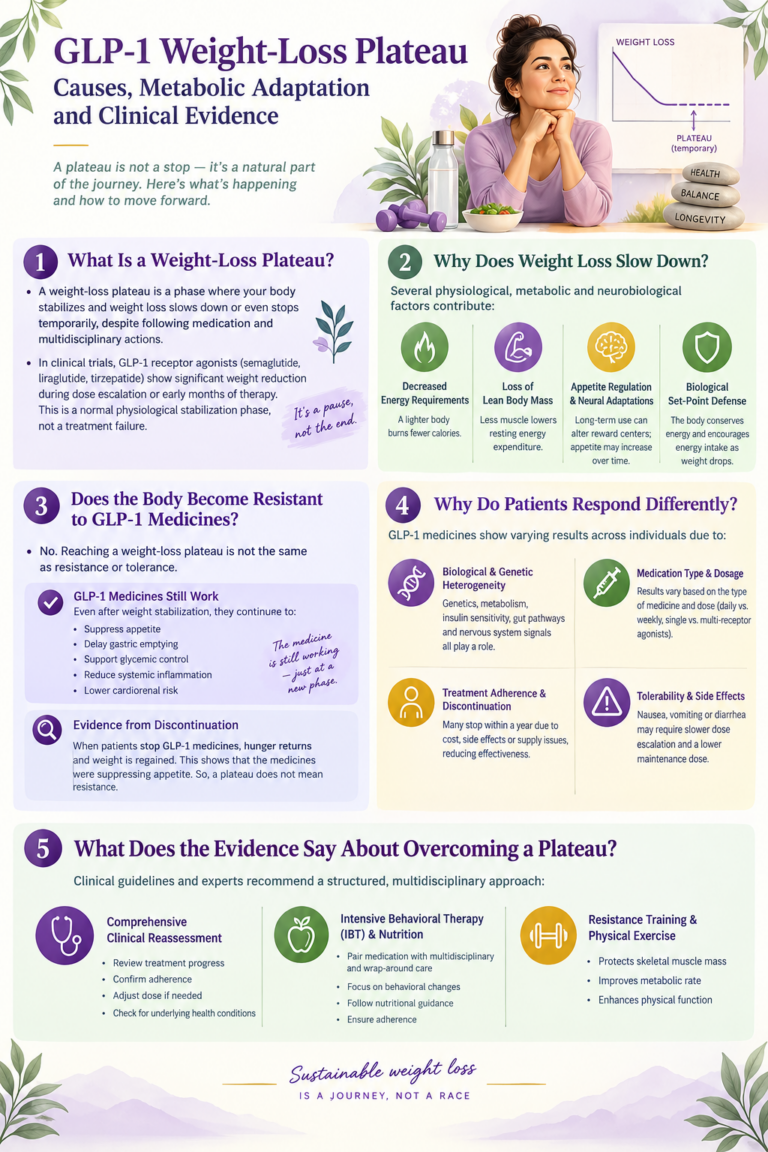
GLP-1 Weight-Loss Plateau: Causes, Metabolic Adaptation and Clinical Evidence
show weight reductions during dose escalation or during early months of therapy. This does not indicate a treatment failure rather it is a normal physiological stabilization…
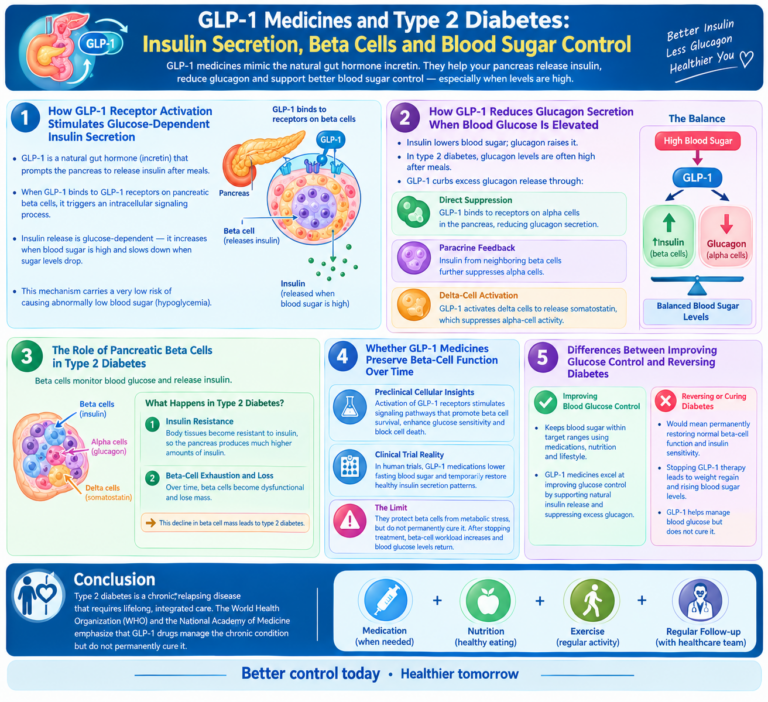
GLP-1 Medicines and Type 2 Diabetes: Insulin Secretion, Beta Cells and Blood Sugar Control
beta cells continuously monitor blood glucose levels and release appropriate amounts of insulin to transport glucose out of the bloodstream and into cells for energy Conclusion:…
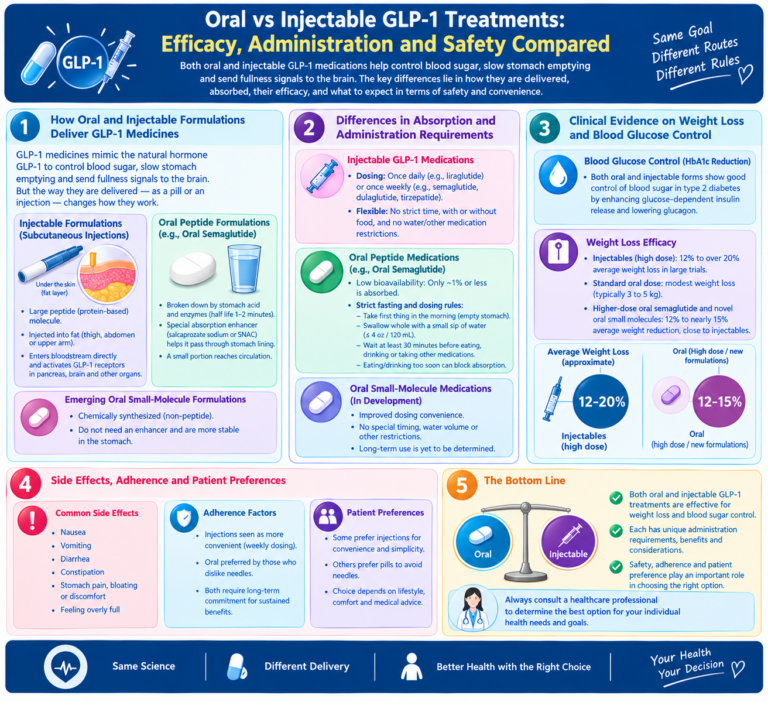
Oral vs Injectable GLP-1 Treatments: Efficacy, Administration and Safety Compared
Most of the approved GLP-1 medications such as semaglutide, liraglutide, tirzepatide is large peptide (protein-based molecule). When injected directly into the fat under the skin usually…
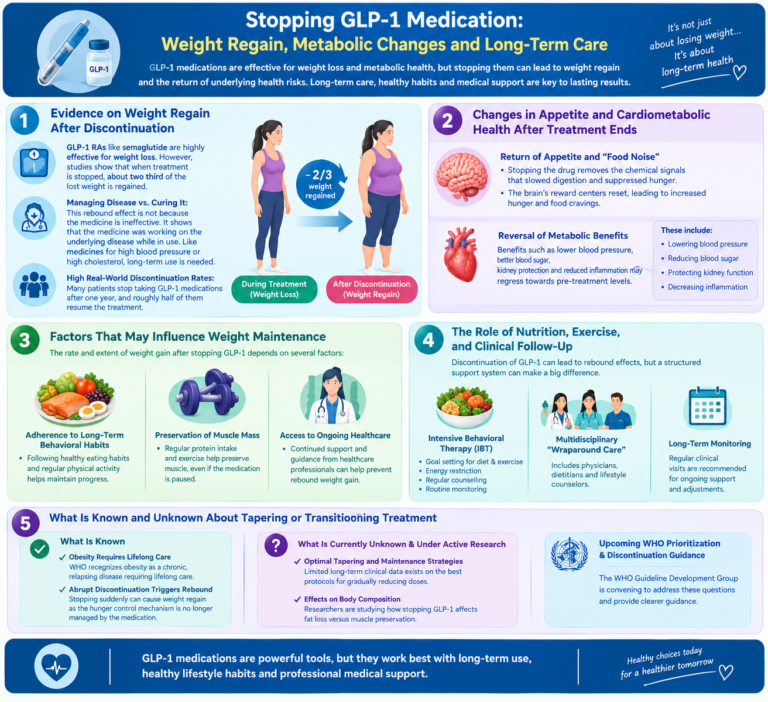
Stopping GLP-1 Medication: Weight Regain, Metabolic Changes and Long-Term Care
As the weight is regained after discontinuation of GLP-1 medicines these cardiometabolic conditions regress towards pre treatment levels. Strict adherence to nutritional habits developed during the…
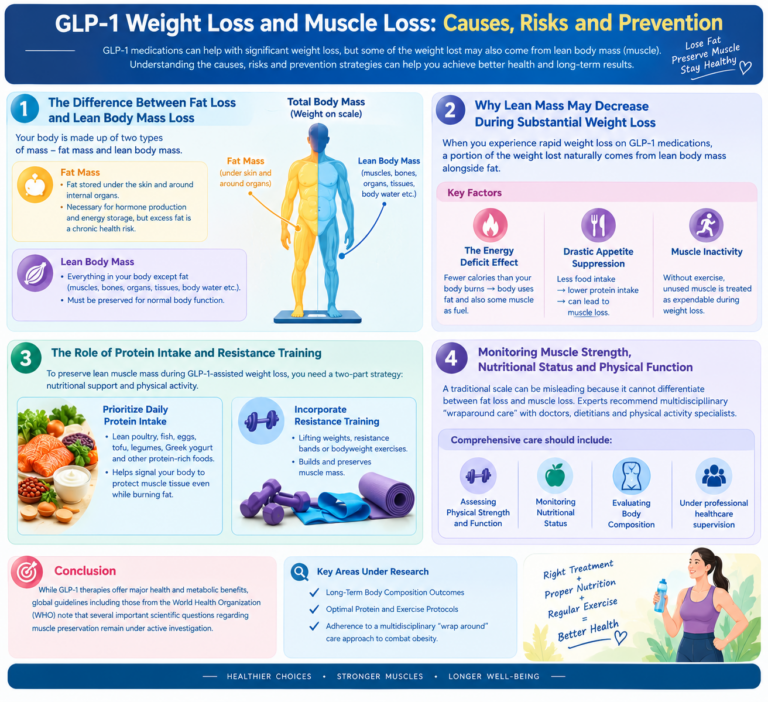
GLP-1 Weight Loss and Muscle Loss: Causes, Risks and Prevention
Lean body mass must be preserved for body to function normally. Several key factors contribute to this loss of muscle: It is important to prioritize protein-rich…
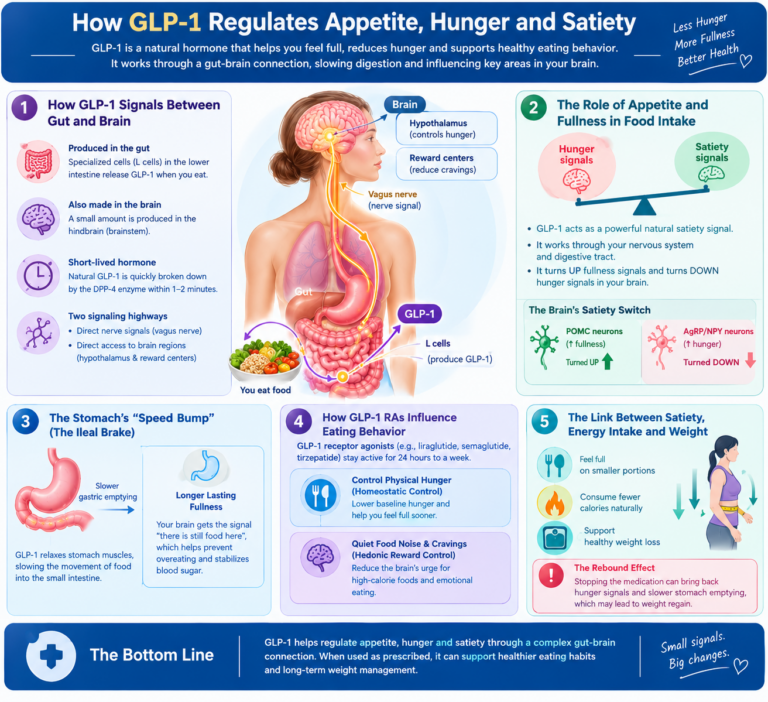
How GLP-1 Regulates Appetite, Hunger and Satiety
Specialized sensor fibers line your gut and liver blood vessels. When GLP-1 attaches to receptors on these nearby nerve endings, it immediately sends a rapid electrical…
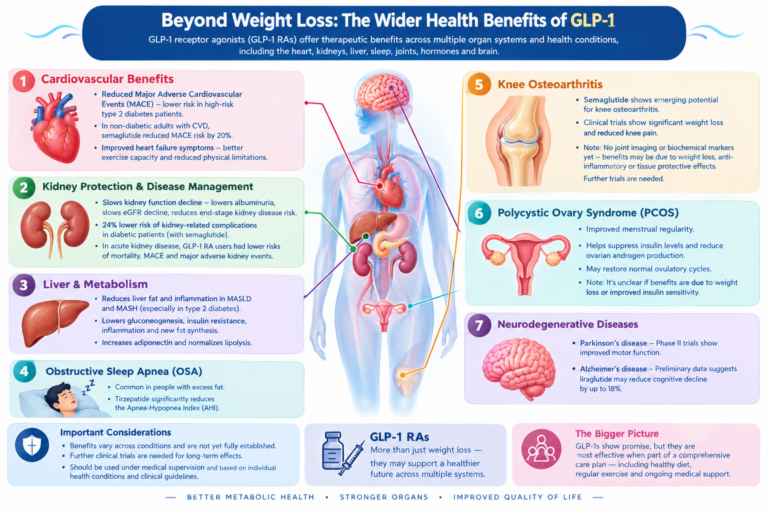
Beyond Weight Loss: The Wider Health Benefits of GLP-1
Beyond obesity management, GLP-1 receptor agonists have established and emerging therapeutic benefits across several major organ systems and health conditions: GLP-1 receptor agonists (GLP-1 RAs) offer…

GLP-1 Effective Treatment But Access, Affordability and Safety Matters
GLP-1 function and effectiveness and discuss how to ensure patient access, affordability, and safety. Obesity is still considered as social stigma and taking medicines for obesity…
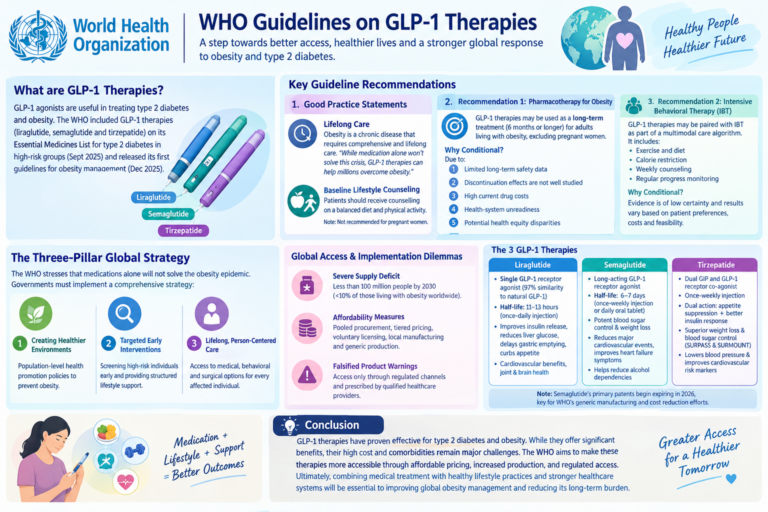
WHO Guidelines on GLP-1 Agonists
GLP-1 agonists are useful in treating type 2 diabetes and obesity. While GLP-1 medicines are safe to use, it is important to follow certain guidelines to…